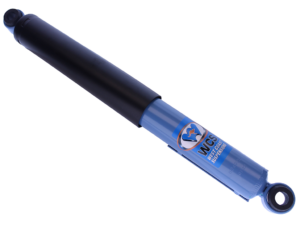
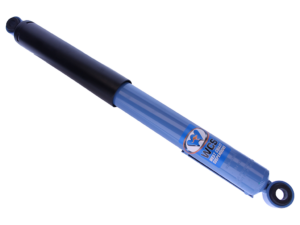
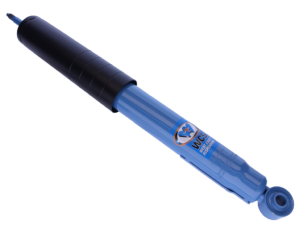
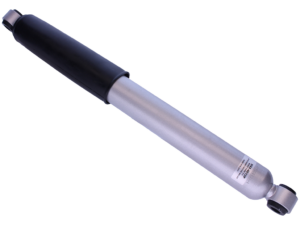
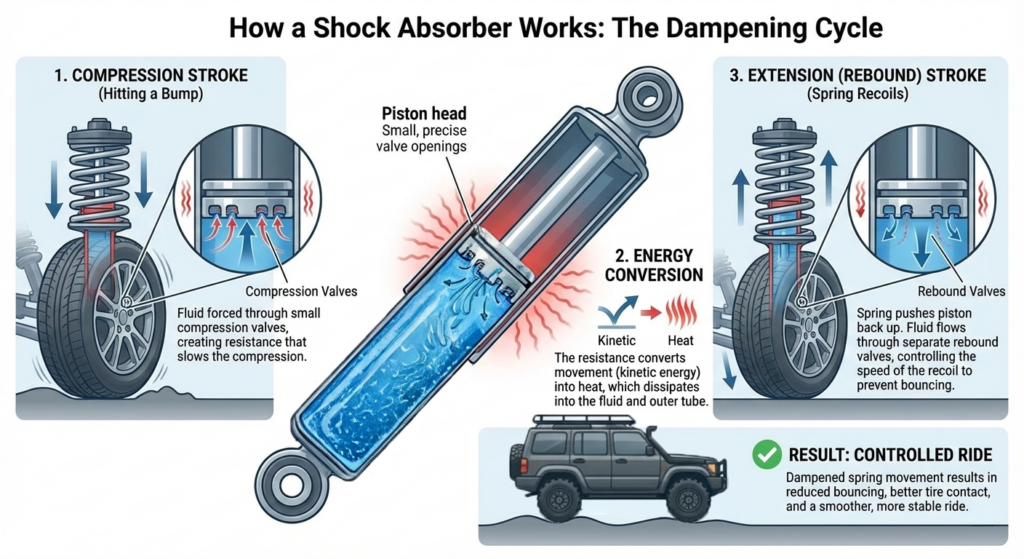
In technical terms, shock absorbers convert kinetic energy into heat and release it into the air. But let’s break that down.
Imagine your car hits a bump. The shock absorber compresses, then quickly returns to its normal position. Inside the shock, a piston moves up and down through hydraulic fluid. This fluid is forced through tiny holes in the piston, creating resistance. That resistance is what smooths out the ride.
One bump doesn’t generate much heat, but driving over many bumps in quick succession makes the piston move rapidly, producing more heat. The shock then releases this heat into the atmosphere.
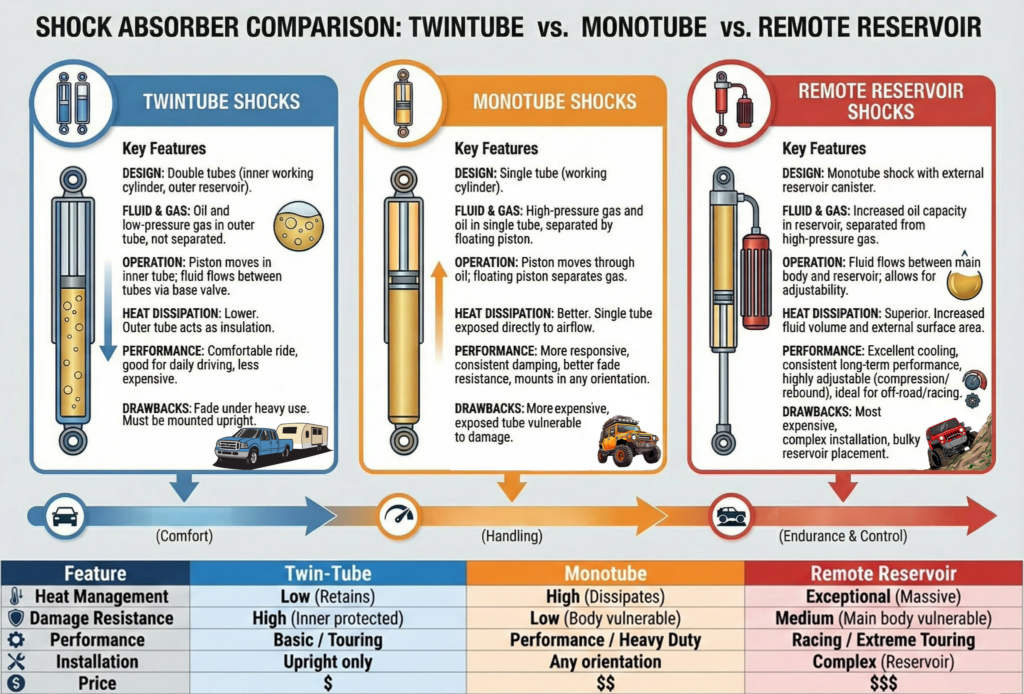
If a shock absorber produces more heat than it can dissipate, it overheats. When that happens, you might notice bouncing, a rough ride or even reduced braking performance.